The 2026/2027 Southwest Louisiana duck season dates are officially set, and our books are now open at Hackberry Rod & Gun!
WEST ZONE
Youth & Veterans:November 7 First Split:November 14–December 6 Second Split:December 19–January 24
Duck season is our favorite time of year around here, and we’re already looking forward to getting back into the marsh!
Whether you’re coming down for a morning duck hunt or want the full experience with one of our Blast & Cast packages, now is the time to get your dates on the calendar.
Popular weekends and prime dates tend to fill up quickly, so give our office a call at (888) 762-3391 to reserve your hunt.
We can’t wait to share another season with you and make some memories that’ll last a lifetime!
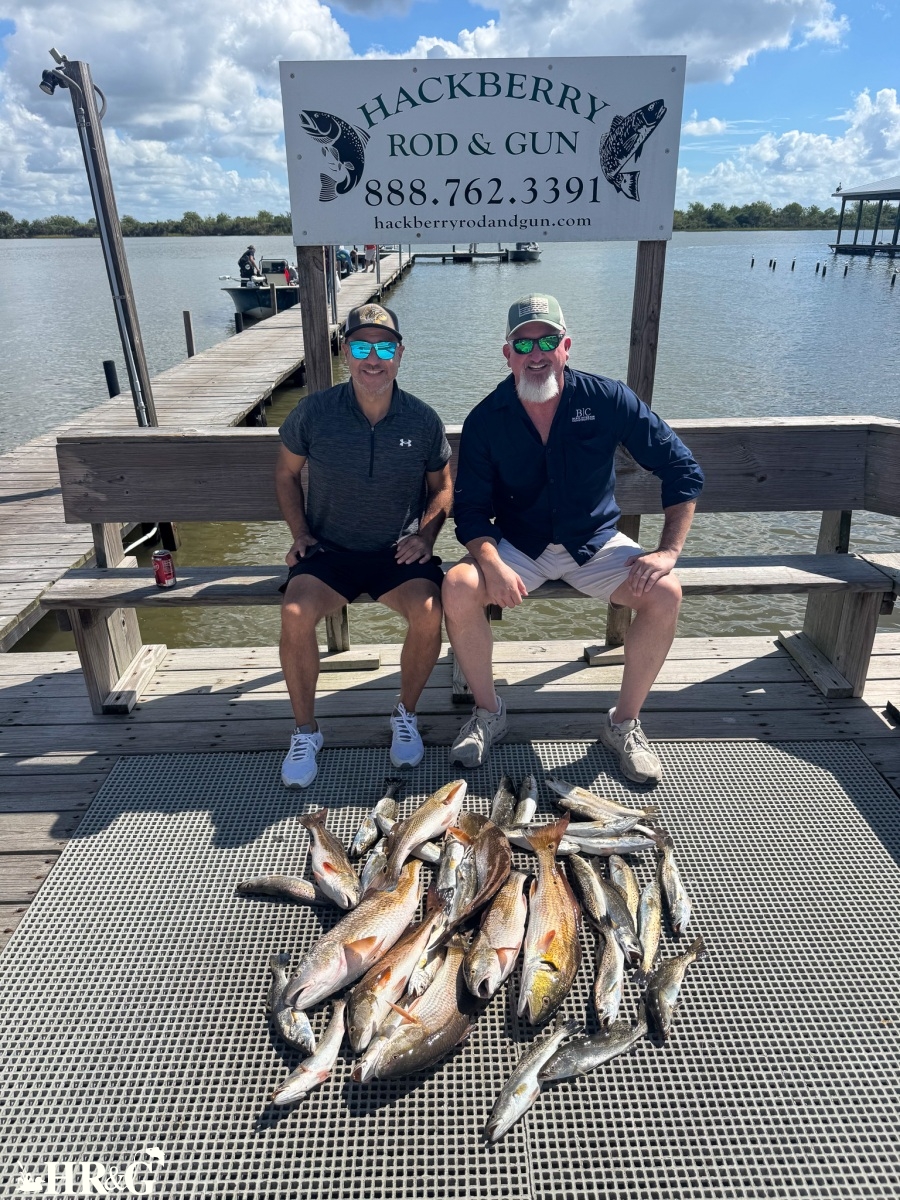
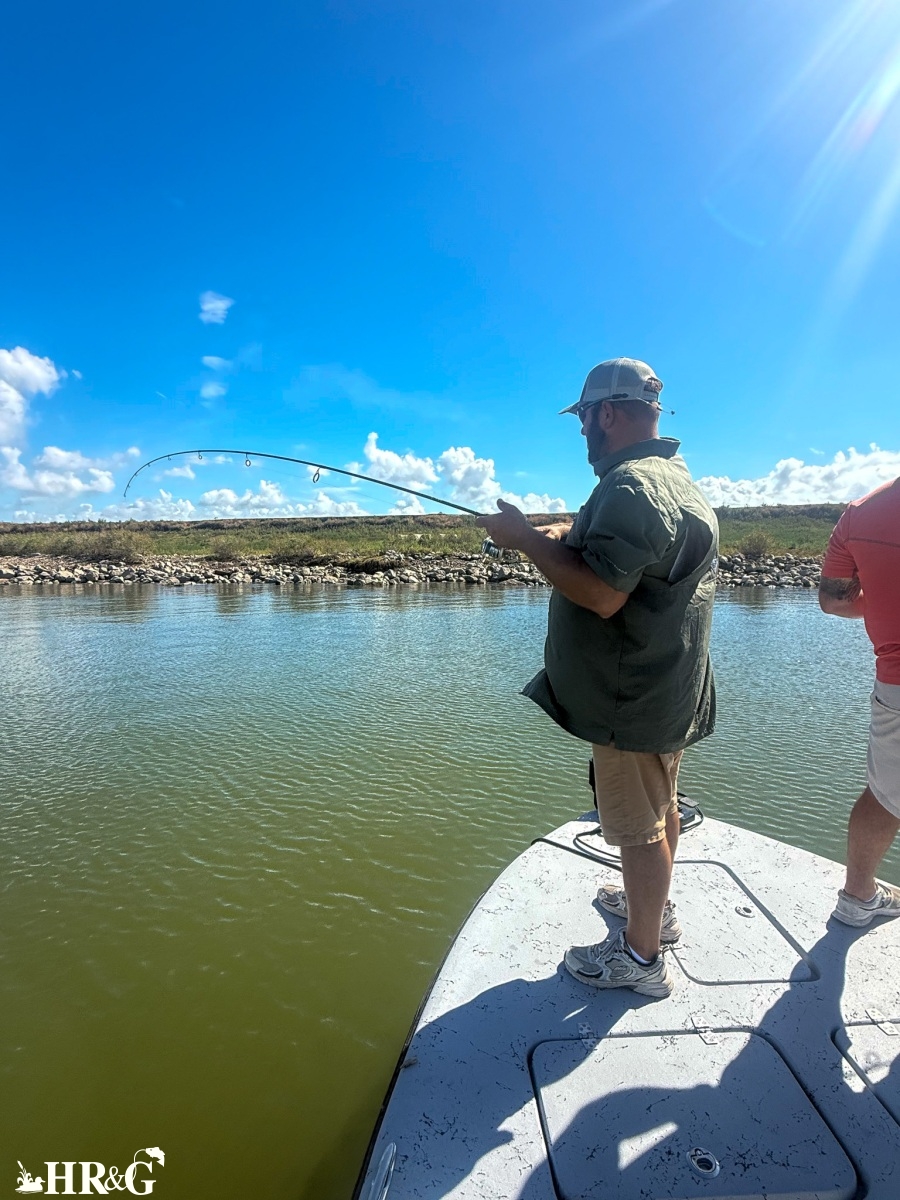
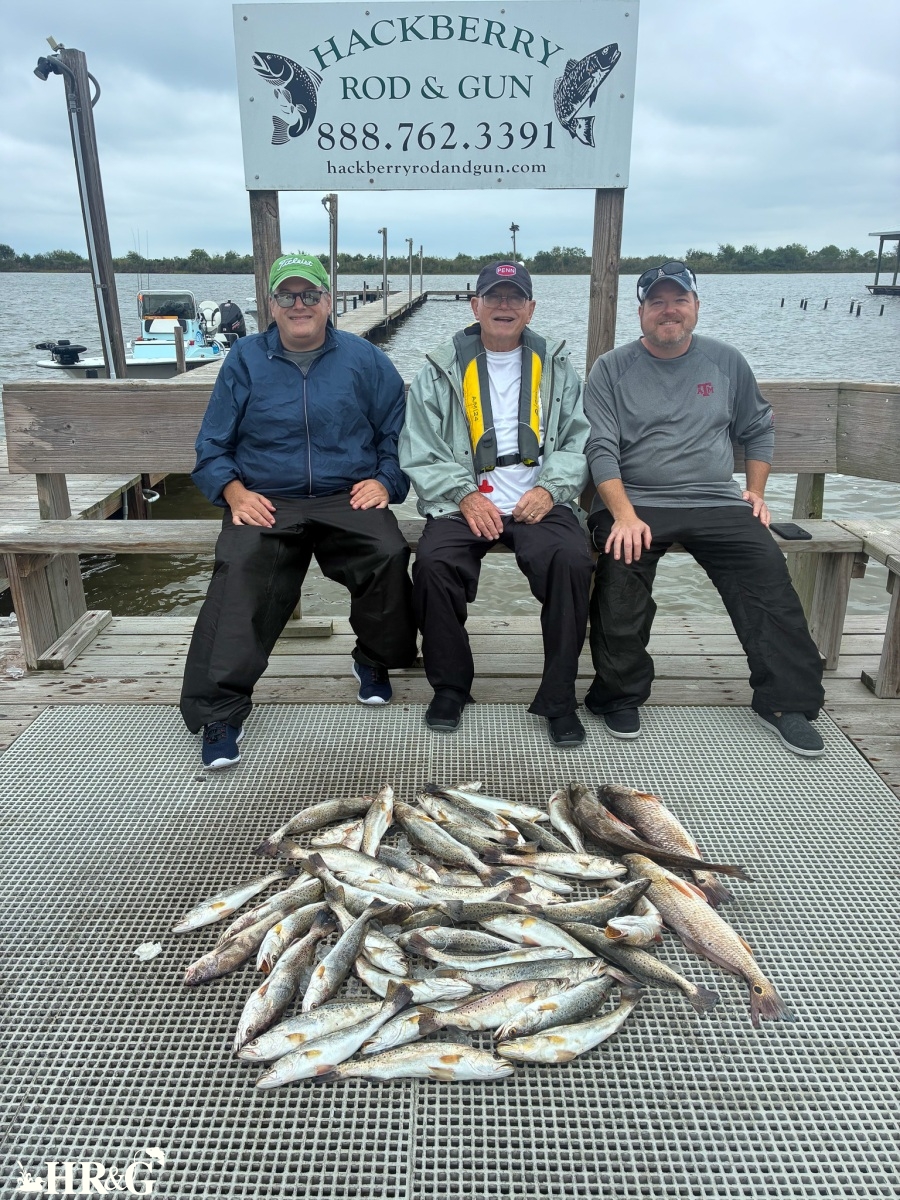
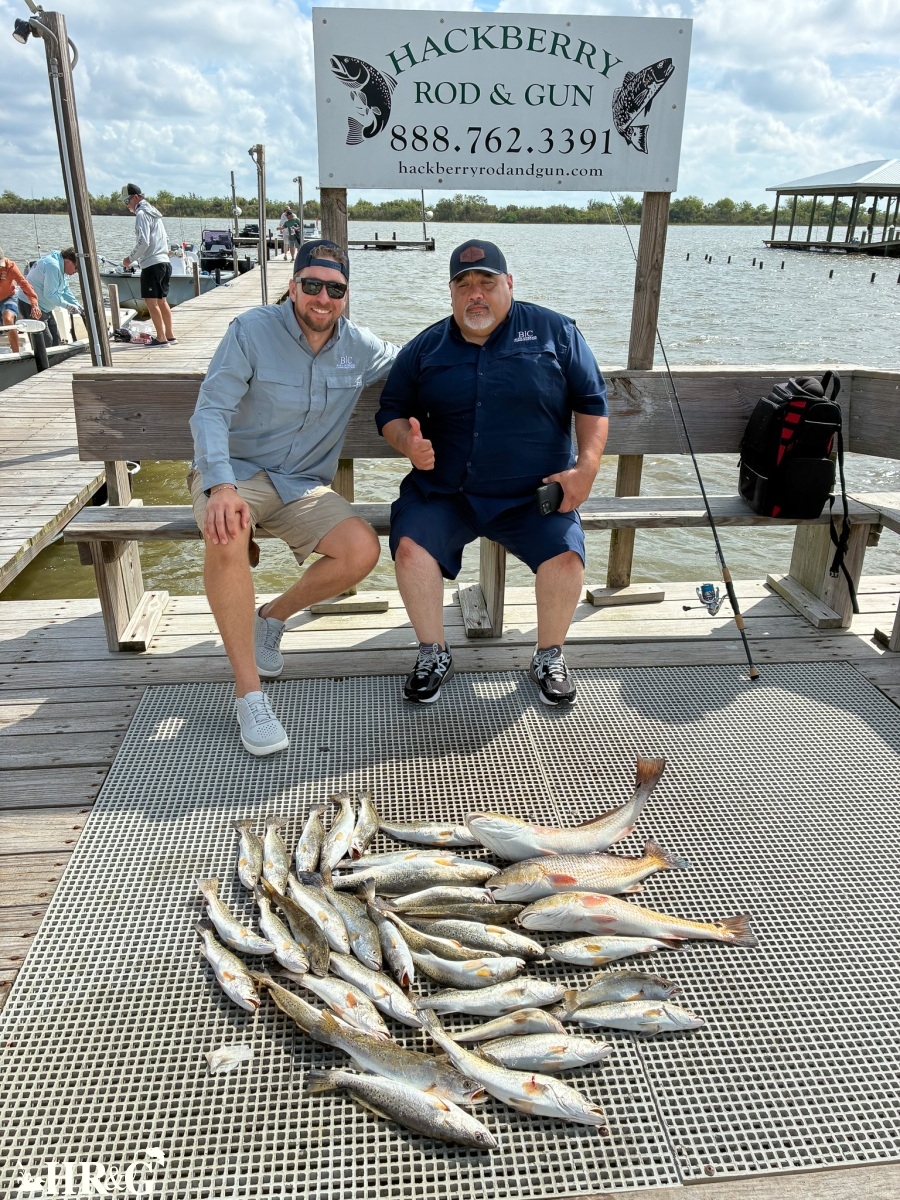
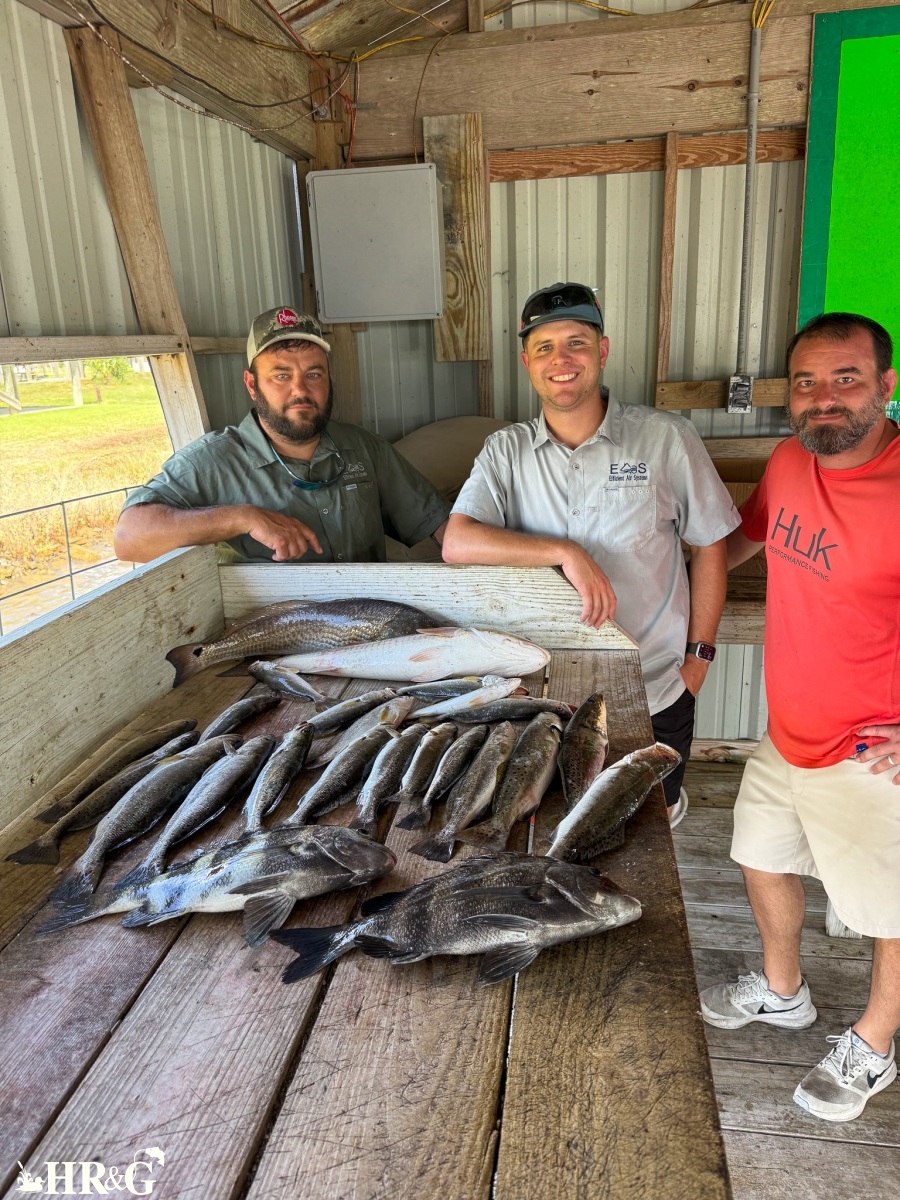
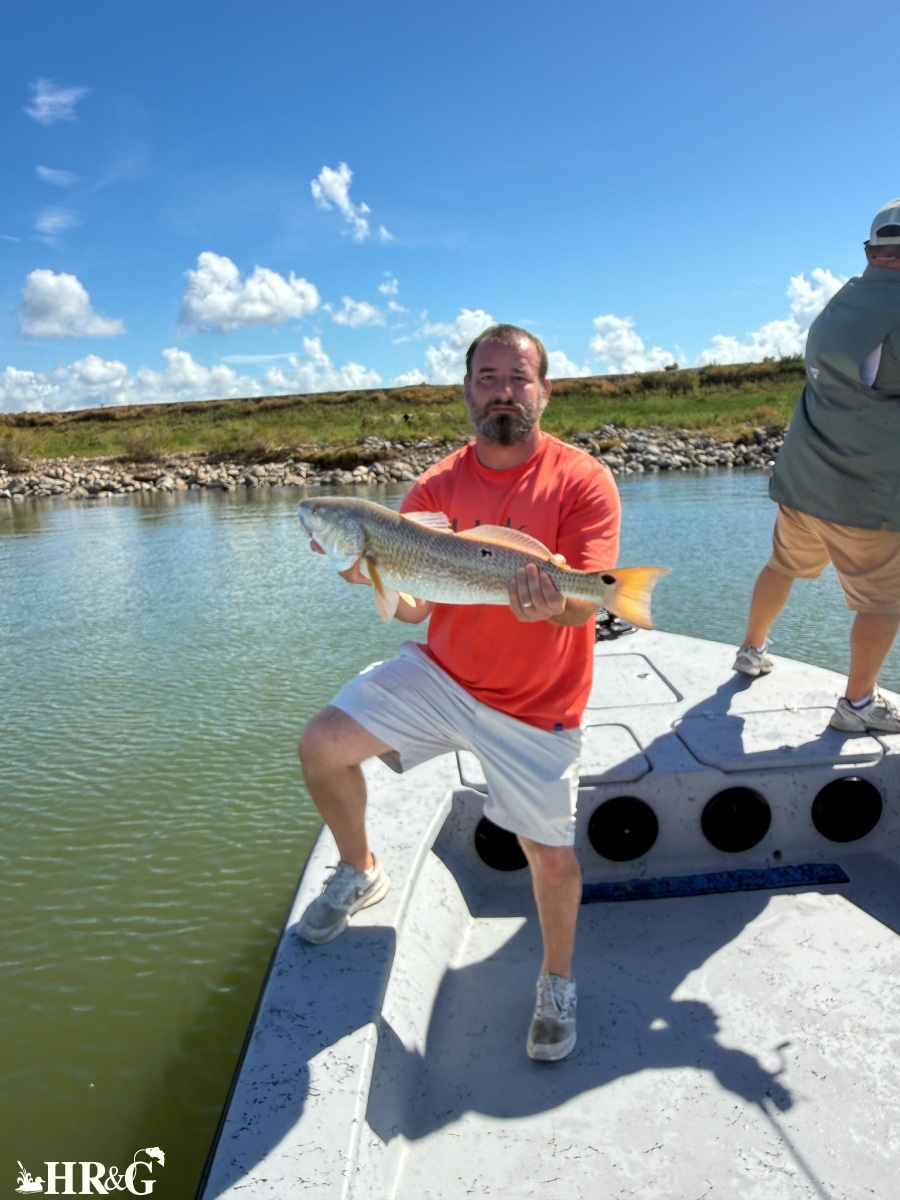
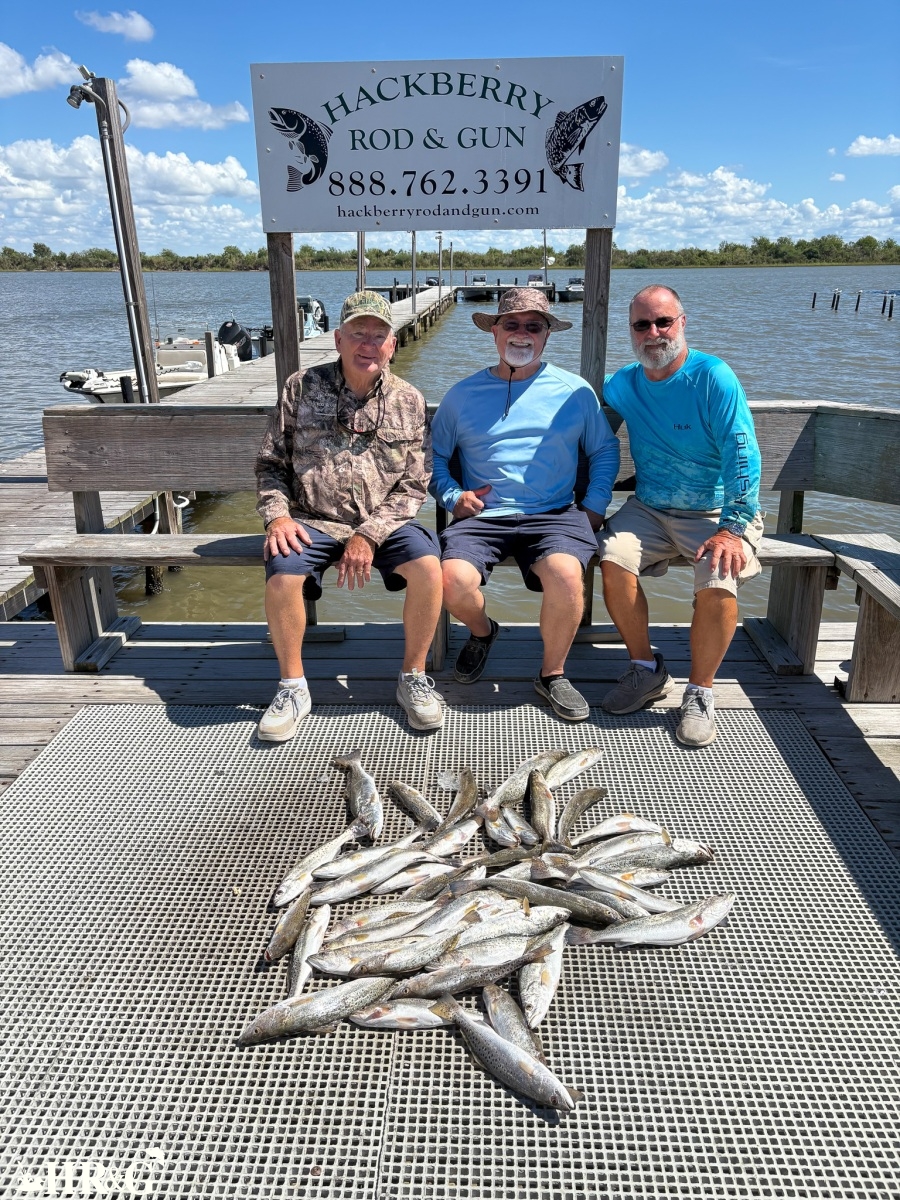
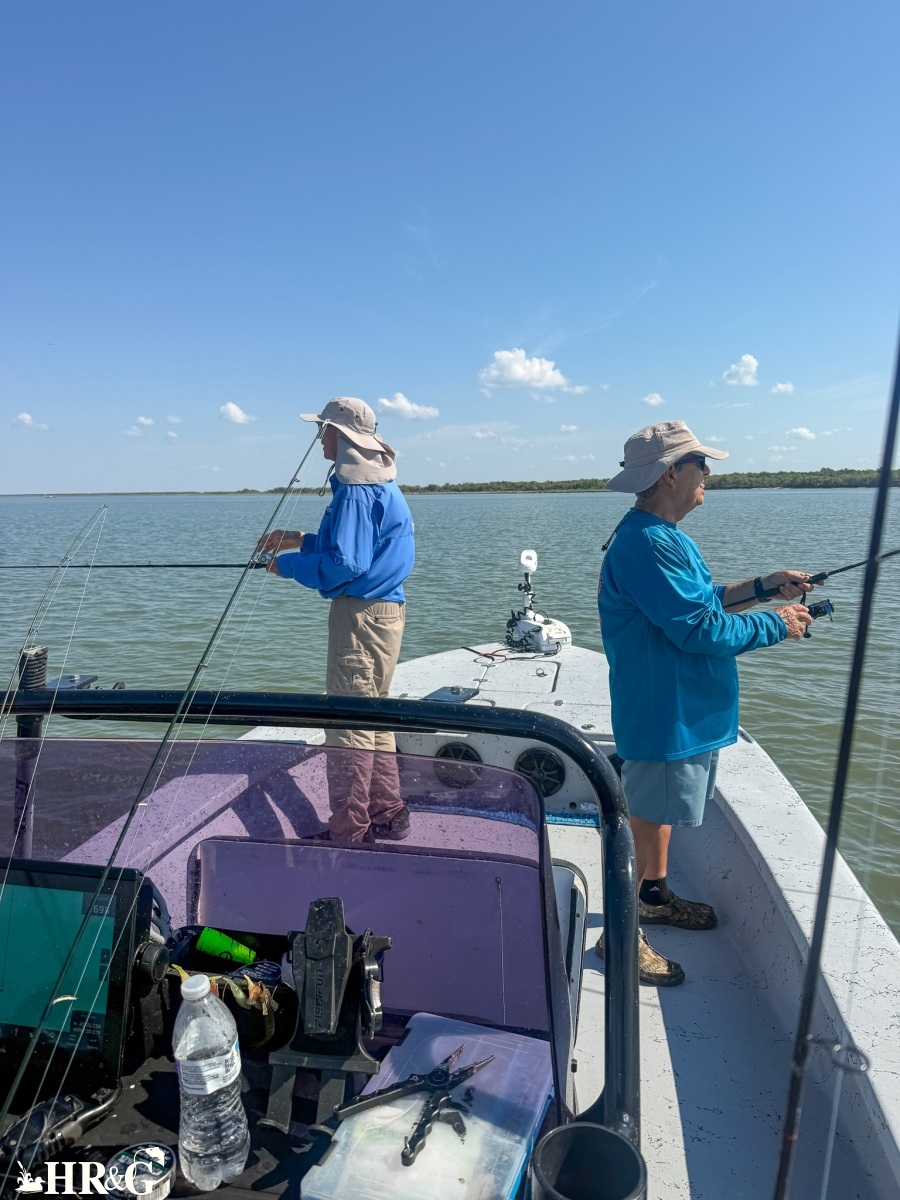
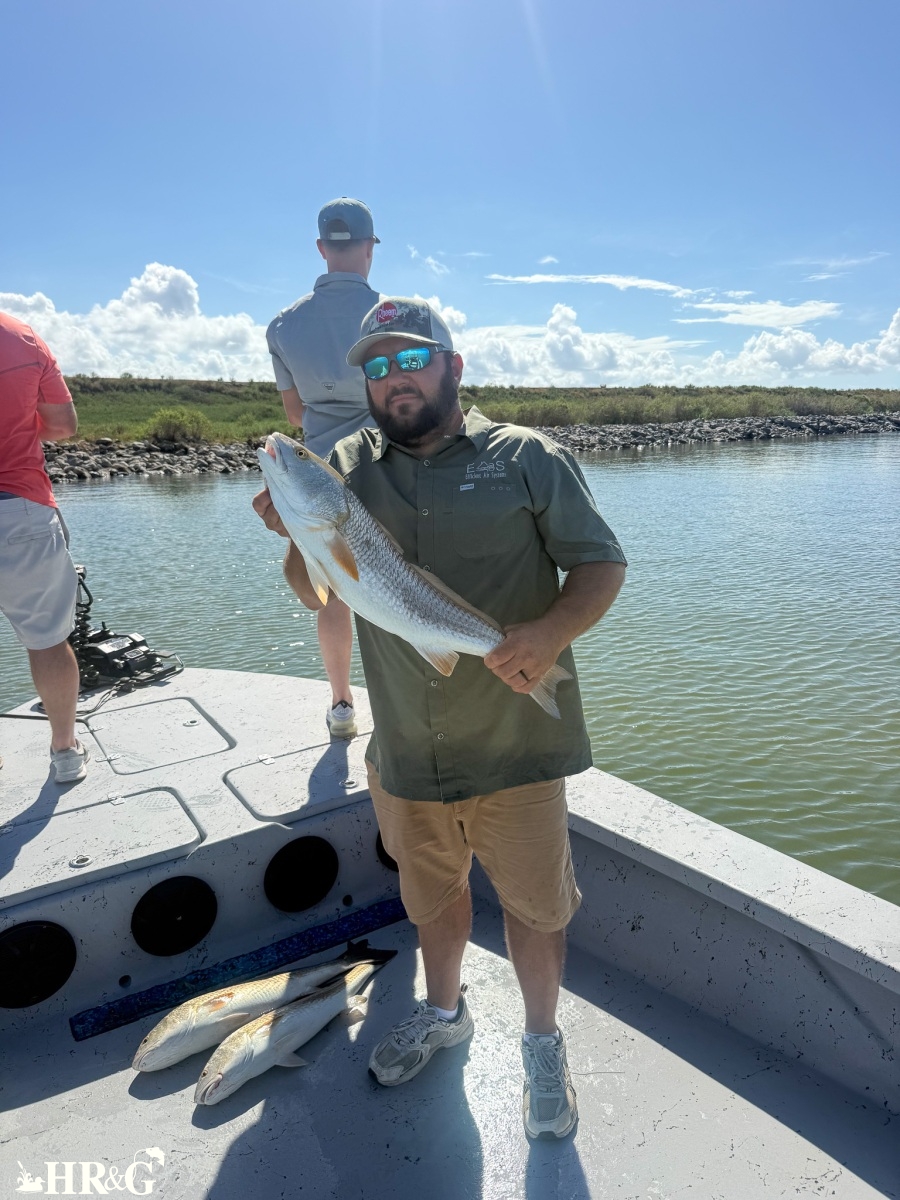
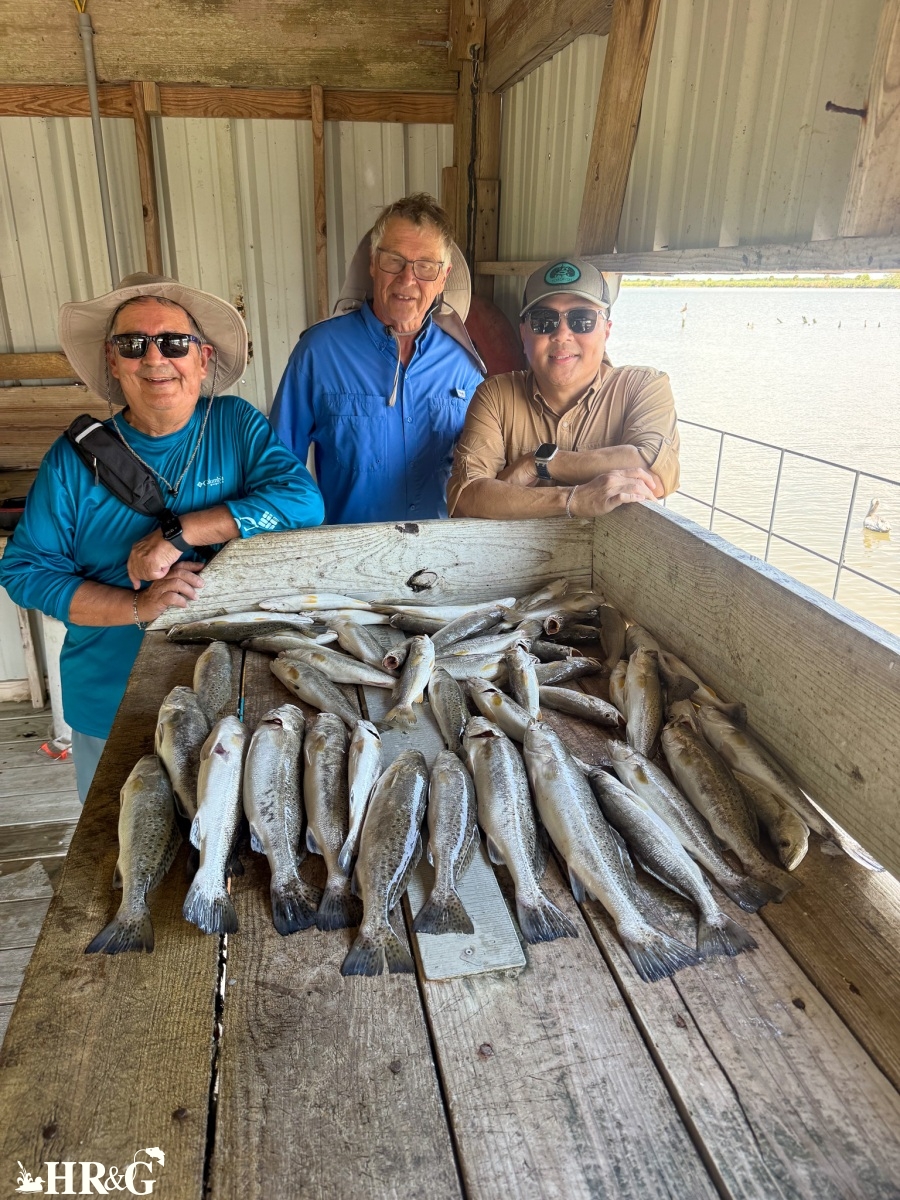
Another great week of fishing is in the book for HR&G as we end the month of September and hit October running! The lodge had several large groups over the last few days who made their way out to the lake looking to load the box, and found great success! Both the speckled trout as well as slot and oversized redfish have shown up in true October fashion, providing ample opportunity and action on the water. Specks have been caught out on the reefs as well as under a few sets of birds working. Live shrimp under a popping cork, Marker 54 Glide shrimp under a cork, and downsouths on a jig head have done the trick out on reefs and chasing birds. The redfish have been back up in the marshes with the higher tides Calcasieu Lake has been experiencing, and as always live shrimp under a cork has been lethal, although reports of a gulp natural shrimp rigged up on a jig head under a cork has fooled a couple keepers as well. All in all, this month has started off with a bang, and it’s looking to only get better. Give us a call at (888) 762-3391 or visit Book a Trip, and come get in on the action!
Oh, and don’t forget…” Ya Shoulda’ Been Here Yesterday!”.
Surrounding marsh is essentially a gigantic nursery system. Marsh ponds, bayous, drains, and flooded vegetation provide young shrimp, crabs, mullet, redfish, and countless other organisms with food and protection before many eventually move into the open lake.
We have boats available so call (888) 762-3391 and come see what Hackberry Rod & Gun Club is all about!
To check out our complete photo gallery on our website, click HERE.
A new stocking effort could help shape the future of Louisiana’s coastal fisheries
Calcasieu Lake just received 50,000 new residents.
CCA Louisiana recently released 50,000 hatchery-raised redfish into Cameron Parish waters as part of an expanding effort to study whether marine fish stocking can become another useful tool for managing Louisiana’s coastal fisheries.
But this release is about much more than simply putting more redfish in Big Lake.
FROM LOUISIANA TO THE HATCHERY — AND BACK HOME
The project has been roughly two years in the making and is part of a larger scientific effort to learn how hatchery-raised redfish perform after being released into Louisiana’s coastal environment.
The brood fish used in the program originated in Louisiana waters near Grand Isle. Their offspring were raised at a hatchery in Mississippi before making the trip back to Louisiana for release.
And these aren’t just 50,000 anonymous little redfish.
The hatchery fish carry identifying markers that will allow researchers to distinguish them from naturally produced redfish. As the Louisiana Department of Wildlife and Fisheries conducts future sampling and stock assessments, biologists can collect fin samples and determine whether individual fish originated from the stocking program.
That gives researchers an opportunity to answer some important questions:
How many survive? How quickly do they grow? Where do they move? And, perhaps most importantly, what types of habitat give stocked redfish the best chance of success?
WHY CALCASIEU?
For those of us who fish Big Lake, CCA’s decision to conduct this release here should come as no surprise.
Calcasieu’s surrounding marshes, bayous and estuarine habitat provide tremendous nursery grounds for juvenile redfish. Young reds spend the early portion of their lives utilizing these shallow marsh environments before eventually moving into larger bays and, as they mature, toward the Gulf.
That makes Calcasieu an excellent place to study how hatchery-raised fish adapt to a productive natural estuary.
And there’s an important distinction to make:
CCA isn’t stocking Calcasieu because we’re out of redfish.
CCA Louisiana CEO Rad Trascher specifically noted that Louisiana still has a strong redfish fishery. Instead, the organization wants to develop stocking as another tool that could be available when our fisheries need it.
Hurricanes, freezes, habitat loss and other environmental events can quickly affect coastal fish populations. Having the knowledge and infrastructure necessary to successfully raise and stock marine fish could give Louisiana another option for responding to those challenges.
STOCKING ISN’T A REPLACEMENT FOR CONSERVATION
Perhaps the most important part of this project is understanding what stocking can — and can’t — accomplish.
Releasing hatchery fish cannot replace healthy marshes, productive estuaries, responsible fisheries management or natural reproduction.
The goal is supplementation, not substitution.
Texas has used redfish stocking programs for decades, and Louisiana is now gathering the information necessary to determine where stocking fits into management of our own fishery.
Calcasieu is helping provide those answers.
The 50,000 little reds released here may eventually scatter throughout the estuary. Some won’t survive. Others could spend years growing in the marshes and bays we fish every day.
And somewhere down the road, there’s a very real possibility that somebody fishing Big Lake will set the hook on one of them.
When that happens, it’ll be more than another redfish.
It’ll be another piece of information helping Louisiana determine how we protect and enhance our coastal fisheries for the next generation.
NEWS COVERAGE & SOURCES
KPLC 7 News — “Redfish restocking effort brings 50,000 fish to Cameron Parish”
Local coverage of the September 2026 release, including interviews with CCA Louisiana CEO and Executive Director Rad Trascher. KPLC reports on the 50,000-fish release, the two-year development of the project, how the hatchery fish will be identified during future sampling, and the research goals surrounding survival, growth, movement and habitat.
Recreational Fisheries Research Institute (RFRI)
RFRI is involved in the research effort behind the stocking program. Its website now lists the September 2026 redfish release as part of its fisheries research work.
CCA Louisiana
CCA Louisiana organized the stocking effort and is one of the primary organizations behind the project. CCA has a long history of redfish conservation and fisheries advocacy in Louisiana.
LDWF will play an important role in monitoring the stocked fish through future fisheries sampling and stock assessments. Fin samples can be used to identify hatchery-origin fish and help researchers evaluate the success of the program.
The Dock Shop
Come on by the Hackberry Mall and pick up a gift for that special someone in your life. We have a variety of items to choose from including Florida Fishing Reels, Costa Sunglasses, Olukia Shoes and flip flops, Ranger Turtlebox speakers and many other items.
Call or email Pauline at dockshop@hrandg.com if you would like to place an order to be shipped or if you would like to purchase a gift card to bless someone that has an upcoming trip. Thank You for your business!
BE SURE TO VISIT OUR ONLINE 24/7 CAMERAS EVERYDAY LOCATED ON OUR DOCK. TUNE IN AND TAKE A LOOK AT OUR CUSTOMERS DAILY CATCHES AS THET RETURN TO THE DOCK. BEST TIME IS USUALLY 11:00A.M. UNTIL 3:30 OR SO. CHECK IT OUT.
Season the chicken. Pat the chicken pieces dry and season generously with Cajun seasoning and black pepper.
Brown the chicken. Heat a few tablespoons of the vegetable oil in a heavy cast-iron Dutch oven over medium-high heat. Brown the chicken on all sides, working in batches. Remove and set aside.
Make the roux. Add the remaining oil to the pot, adjusting to approximately ½ cup total fat. Gradually whisk in the flour and stir continuously over medium heat until the roux reaches a rich medium-to-dark brown color.
Add the vegetables. Immediately stir in the onions, celery, and bell pepper to stop the roux from darkening. Cook for 5–7 minutes, stirring frequently. Add the garlic and cook for another minute.
Build the gravy. Slowly pour in the chicken stock while stirring to incorporate the roux. Add the bay leaves and thyme, then bring the mixture to a gentle boil.
Smother the chicken. Return the browned chicken and any accumulated juices to the pot. Reduce the heat, partially cover, and simmer for approximately 45–60 minutes, or until the chicken is tender and reaches an internal temperature of at least 165°F.
Finish the fricassee. Remove the bay leaves. Stir in the green onions and parsley, then taste and adjust the seasoning. If the gravy becomes too thick, add a splash of chicken stock.
Serve. Spoon the chicken and plenty of rich brown gravy over hot white rice. Serve with French bread or a side of smothered green beans.
Cook’s Notes
The secret to a good fricassee is developing a flavorful roux without burning it. A medium-to-dark brown roux gives the dish a deep, toasted flavor while maintaining enough thickening power to produce a hearty gravy.